





































How did Jeffrey Epstein make his money and what happened to his fortune after he died?
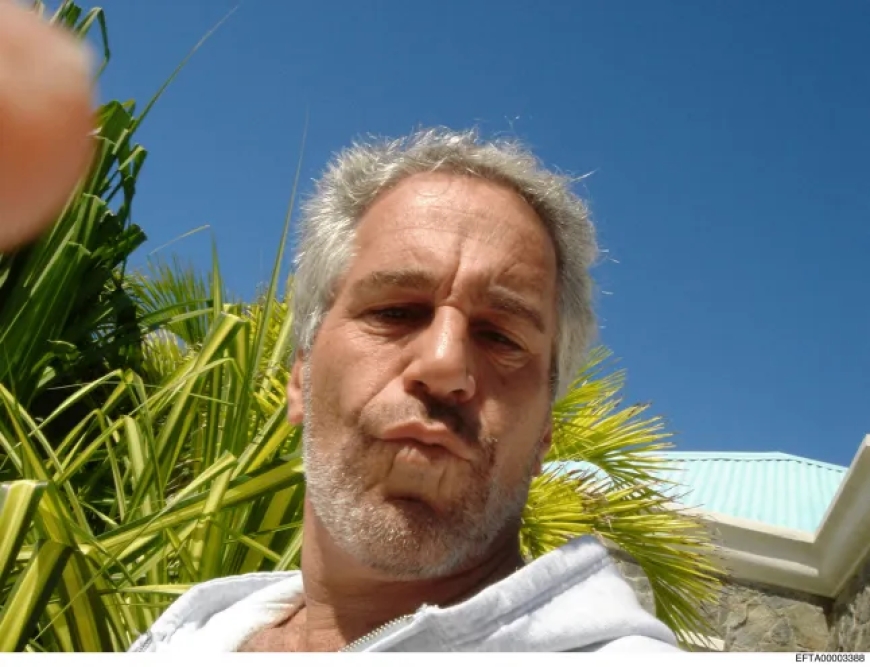
Who Was Jeffrey Epstein — Beyond the Crimes
Jeffrey Epstein was an American financier and convicted sex offender whose wealth and network of powerful contacts enabled a long-running web of influence. Despite a brief early career teaching math and a short stint on Wall Street, his path to immense wealth was opaque and has remained the subject of scrutiny.
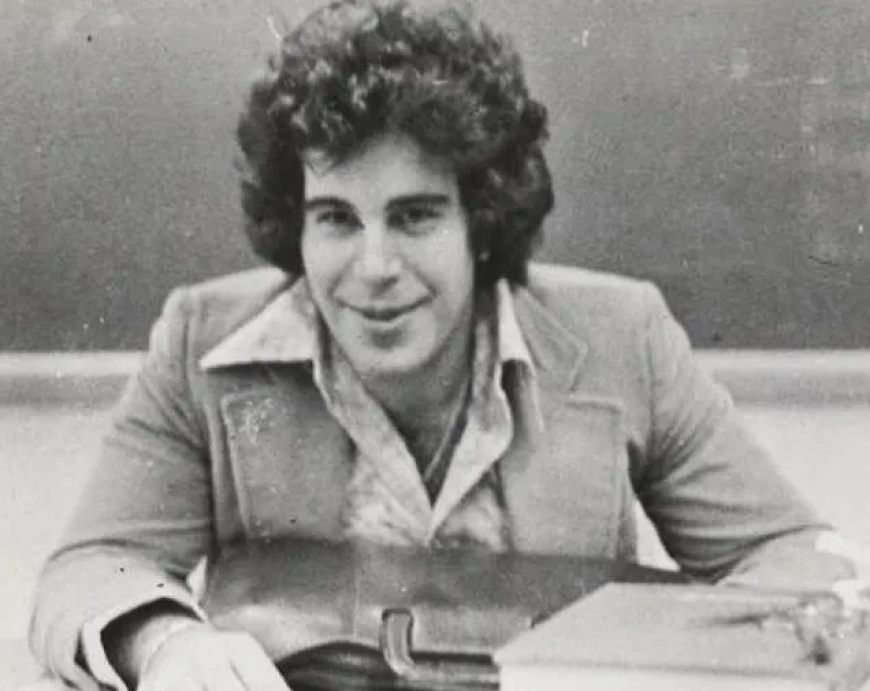
Epstein came from a working-class family in New York (Picture: The Dalton School)
1. How Epstein Built His Wealth
a. Wealth Management for Billionaires
Epstein styled himself as a private wealth manager and advisor for very wealthy individuals, especially at a time when offshore trusts and tax planning were lucrative but secretive sectors of finance.
-
His main companies generated over $800 million in revenue from 1999–2018, largely through fees from a small number of billionaire clients.
-
Two major clients early on Leslie Wexner (founder of Victoria’s Secret) and Leon Black (private equity co-founder) accounted for the bulk of his reported fee income.
-
Newly identified clients included Mortimer Zuckerman and Ariane de Rothschild, indicating Epstein’s circle of affluent patrons was broader than previously known.
Many financial insiders told investigators that Epstein’s business model leaned heavily on discretion, personal relationships and tax structuring rather than transparent investment performance a combination that generated massive fees but left deep questions about how he operated.
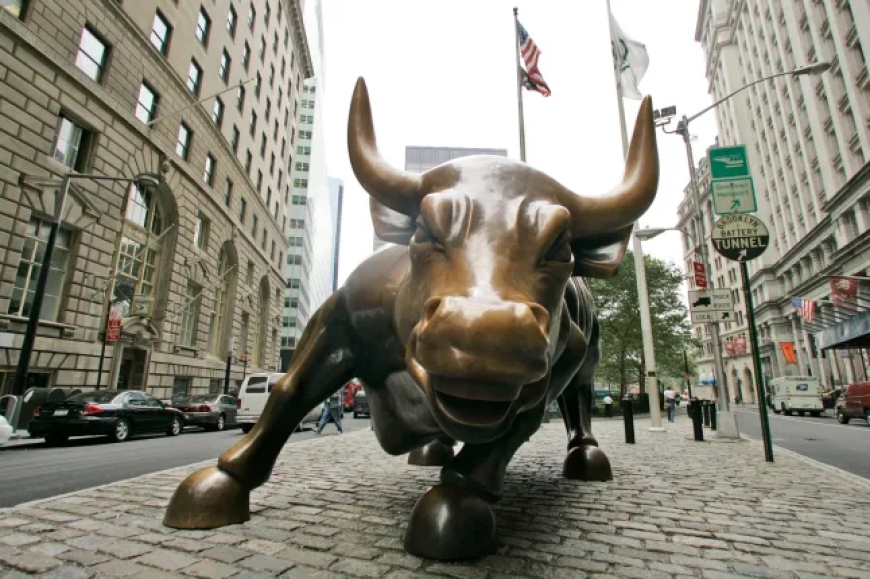
Jeffrey Epstein developed close relationships with major Wall Street companies (Picture: AP)
2. Tax Havens, Investments & Offshore Accounts
Epstein’s entities in the U.S. Virgin Islands qualified for generous tax breaks, reportedly saving him hundreds of millions in taxes over two decades — a significant boost to his net worth.
He also made hidden investments that later appreciated dramatically, such as:
-
A private investment in Valar Ventures, a tech startup fund co-founded by Peter Thiel, which grew significantly in value years after his death.
At the same time, banking records and investigations have shown that Epstein maintained accounts with major institutions including JPMorgan Chase, Goldman Sachs and HSBC and engaged in extensive international transfers, though the full trail remains murky.
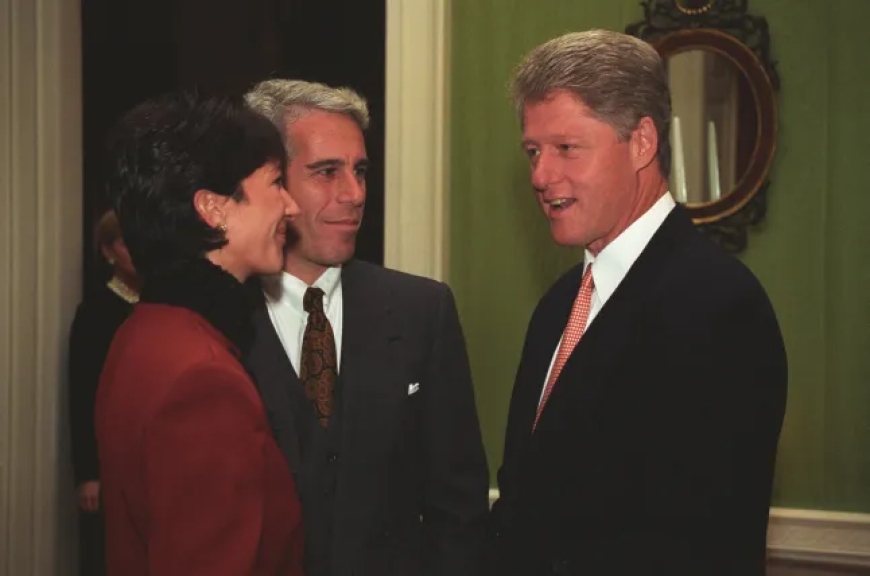
Ghislaine, Epstein and Wexner paid a visit to Clinton’s White House on more than one occasion (Picture: MEGA)
3. Epstein’s Net Worth at Death
At the time of his arrest and suicide in August 2019, Epstein’s estate was widely reported in court filings and financial filings to be worth roughly $500 million–$600 million in assets, including:
-
Luxury real estate across the U.S., Caribbean, and France
-
Two private islands in the U.S. Virgin Islands
-
Investments and cash reserves held in trusts and accounts
4. What Happened to His Fortune After His Death
Estate Planning & Trust
Epstein signed a final trust the so-called 1953 Trust just two days before his death, outlining how hundreds of millions in assets and properties should be distributed.
-
His longtime girlfriend Karyna Shuliak was named the primary beneficiary, with roughly $100 million plus multiple properties, including his private islands and New York apartment.
-
Other beneficiaries included his brother, legal advisors, and even Ghislaine Maxwell, who is serving a 20-year sentence for trafficking offenses.
Victim Compensation & Legal Claims
While the trust laid out generous bequests, legal realities have dramatically altered the estate’s distribution:
-
A large portion of Epstein’s remaining assets is being used to settle claims by sex trafficking survivors and pay legal fees, which has reduced the residual estate.
-
Some properties have been sold or repurposed, with proceeds contributing to victim compensation efforts.
5. Ongoing Questions & Controversies
Despite these disclosures, major questions remain:
-
How much of Epstein’s wealth was earned through legitimate financial advisory vs. undisclosed offshore structures and tax schemes?
-
To what degree did his network of high-profile clients facilitate his access to money and power?
-
How transparent are the estate’s remaining assets and distributions to victims? (Legal battles continue.)
Bottom Line
Jeffrey Epstein’s financial empire was built at the intersection of high finance, secrecy, and personal networks and remains partly shrouded in mystery even years after his death. The bulk of his fortune was generated through a handful of wealthy clients and tax advantages, but the ethics of how it was amassed and how it is being distributed continue to be contested in courts and the media.
What's Your Reaction?
 Like
0
Like
0
 Dislike
0
Dislike
0
 Love
0
Love
0
 Funny
0
Funny
0
 Angry
0
Angry
0
 Sad
0
Sad
0
 Wow
0
Wow
0