






















Supreme Court strikes down Trump’s global tariffs in 6-3 ruling

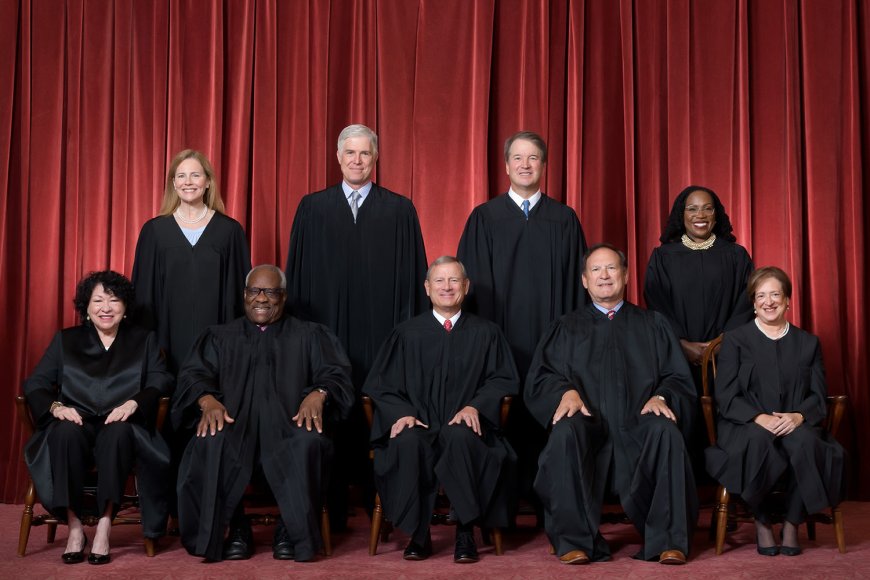
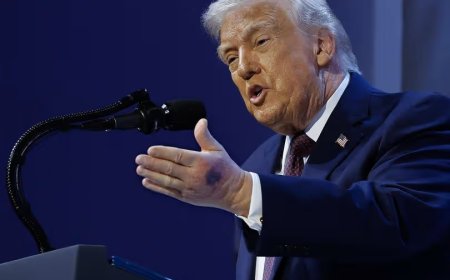
WASHINGTON — The Supreme Court struck down President Donald Trump’s far-reaching global tariffs Friday, dealing a significant blow to a central pillar of his economic agenda.
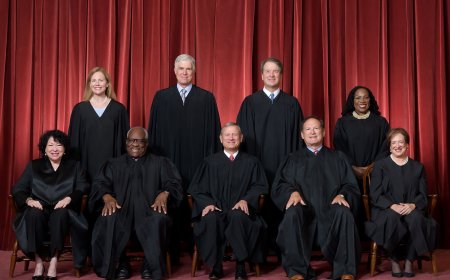
The 6-3 ruling invalidates tariffs Trump imposed under a 1977 emergency powers law, including sweeping “reciprocal” duties he placed on nearly every country. Justices Samuel Alito, Clarence Thomas and Brett Kavanaugh dissented.
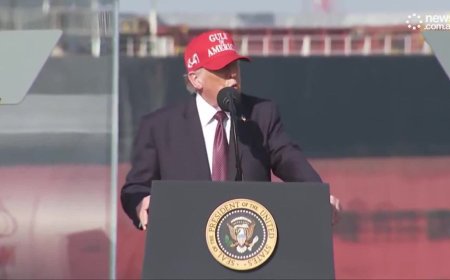
The case marks the first major element of Trump’s broader agenda to reach the high court, where he appointed three conservative justices during his first term. Trump had called the dispute one of the most important in U.S. history and warned that a ruling against him would damage the economy.
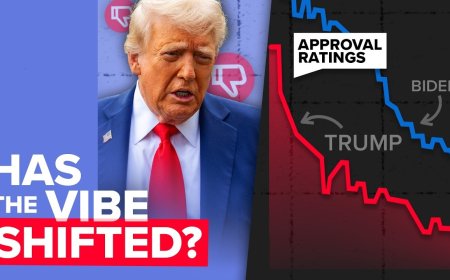
Opposition to the tariffs spanned the political spectrum, including libertarian and business groups often aligned with Republicans. Public polling has shown limited support for the duties, amid broader concerns about affordability.
The decision follows a series of short-term victories for Trump on the court’s emergency docket that allowed him to move forward with expanded executive actions, including high-profile firings and federal funding cuts.
The ruling does not prevent Trump from imposing tariffs under other laws, though those authorities carry stricter limits on timing and scope. Administration officials have said they intend to maintain a tariff framework using alternative legal authorities.
The Constitution grants Congress the power to levy tariffs. The Trump administration argued that the International Emergency Economic Powers Act allows a president to regulate imports during a declared emergency and therefore impose tariffs. While past presidents have used the law to enact sanctions, Trump was the first to invoke it to broadly apply import taxes.
In April 2025, Trump announced “reciprocal” tariffs on most countries, citing trade deficits as a national emergency. Earlier duties targeted Canada, China and Mexico, which he said were tied to a drug trafficking emergency.
The policy prompted multiple lawsuits, including challenges from about a dozen states and from small businesses that sell products ranging from plumbing supplies to educational toys and women’s cycling apparel.
Challengers argued the emergency powers statute does not authorize tariffs and that Trump’s actions failed established legal standards. They pointed to a prior Supreme Court decision that struck down then-President Joe Biden’s student loan forgiveness program.
The Congressional Budget Office estimated the tariffs would cost about $3 trillion over the next decade. Federal data through December showed the Treasury collected more than $133 billion under the emergency powers law. Several companies, including Costco, have sought refunds in court.
What's Your Reaction?
 Like
0
Like
0
 Dislike
0
Dislike
0
 Love
0
Love
0
 Funny
0
Funny
0
 Angry
0
Angry
0
 Sad
0
Sad
0
 Wow
0
Wow
0