






























Trump names former Federal Reserve official Warsh as the next Fed chair to replace Powell
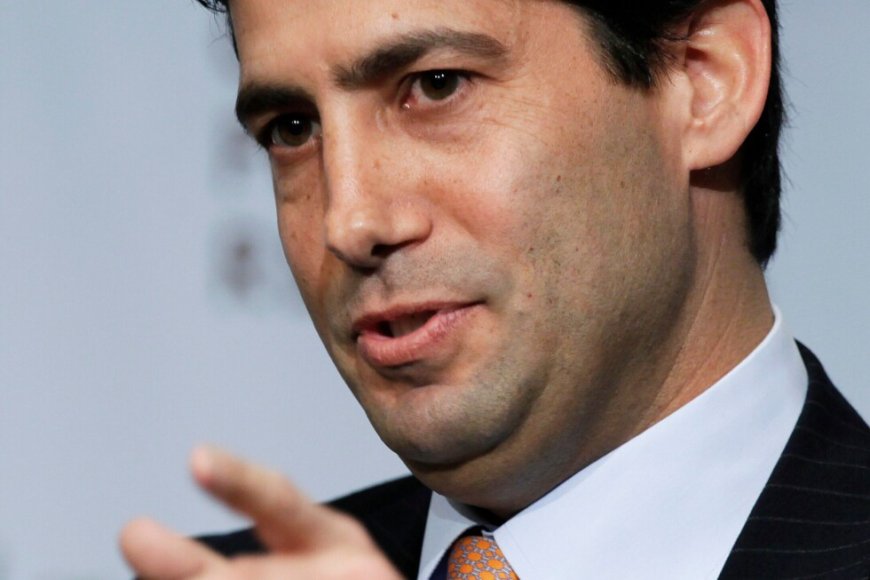
WASHINGTON — President Donald Trump said Friday that he will nominate former Federal Reserve Goveor Kevin Warsh to be the next chair of the U.S. central bank, a move that could sharply shift the direction of U.S. monetary policy and bring the Fed closer to the White House’s economic agenda.
What We Know
-
Trump announced his intention to nominate Warsh as Federal Reserve chair when Jerome Powell’s term expires in May.
-
The nomination requires confirmation by the U.S. Senate.
-
Financial markets reacted to the news with rising Treasury yields and falling gold prices.
-
Some lawmakers, including Republican Sen. Thom Tillis, have said they may oppose the nomination until a Justice Department inquiry into Powell concludes.
Who Is He
Kevin Maxwell Warsh, 55, is a former member of the Federal Reserve’s Board of Goveors who served from 2006 to 2011, including during the 2008 financial crisis.
-
At 35, he was the youngest Fed goveor in history.
-
After leaving the Fed, Warsh became a fellow at the Hoover Institution and a lecturer at Stanford University’s Graduate School of Business.
-
He previously worked in investment banking and served as an economic adviser in the George W. Bush administration.
Why It Matters
The chair of the Federal Reserve is one of the most powerful economic roles in govement, charged with steering monetary policy, controlling inflation and supporting employment.
Trump has sharply criticized Powell for not cutting interest rates quickly enough and has advocated for much lower rates than many economists support.
Warsh’s nomination is seen as part of a broader push by Trump to exert more influence over the Fed, raising conces about the central bank’s long-standing independence.
What’s Next
Warsh must first be confirmed by the Senate, a process that could be contentious given opposition from lawmakers on both sides of the aisle.
If confirmed, he would take over leadership from Powell when the current chair’s term ends in May.
Background
The Federal Reserve’s policy decisions influence borrowing costs across the U.S. economy, affecting mortgage rates, car loans, credit cards and business investment.
What's Your Reaction?
 Like
0
Like
0
 Dislike
0
Dislike
0
 Love
0
Love
0
 Funny
0
Funny
0
 Angry
0
Angry
0
 Sad
0
Sad
0
 Wow
0
Wow
0