






































This ‘alien’ mushroom is like something from a horror movie

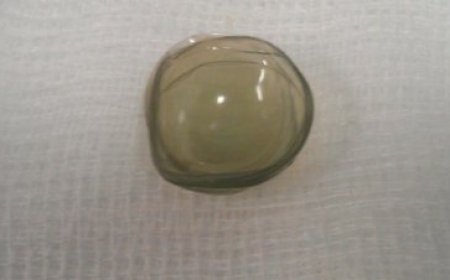
Take a long look at this horrifying mushroom.
This is a clathrus archeri fungus, known as the ‘octopus stinkho’, ‘phalloid fungus’ and ‘devil’s fingers’.
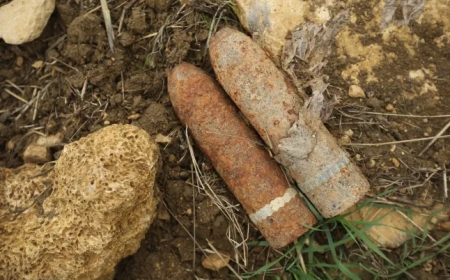
What you can see in the above picture is the egg sac stage, with the long foul-smelling red fingers of the fungus ready to ooze out from within.
Most fungi sprout from the earth, but the octopus stinkho emerges from an egg, usually around decaying wood chips, old stumps or in leaf litter.
Often these slimy, moist, gelatinous eggs are found in clusters. These eggs are around 4-6cm high and 2-4cm wide

(Picture: Dan Hoare/ Twitter)
The mushrooms are native to New Zealand and Australia and made their way over to Europe in 1914, believed to have been introduced first to France through military supplies during the start of the First World War.


What's Your Reaction?
 Like
0
Like
0
 Dislike
0
Dislike
0
 Love
0
Love
0
 Funny
0
Funny
0
 Angry
0
Angry
0
 Sad
0
Sad
0
 Wow
0
Wow
0

Mike Gallagher
Mike Gallagher is a Georgia-based freelance journalist covering local news, community developments, and regional issues that matter most to residents across the state. Writing for Georgianewsday.com since 2016, Mike has built a reputation for clear, balanced reporting and a strong connection to the communities he serves. His work spans city council decisions, school board updates, small business features, public safety reports, and statewide policy changes. In addition to local coverage, Mike occasionally reports on state politics and national headlines, offering readers context on how broader decisions impact Georgia communities. Known for his steady, fact-driven approach, Mike prioritizes accuracy, fairness, and accessibility in every story. Whether covering a town hall meeting or breaking political developments, he aims to inform readers with clarity and integrity. Outside the newsroom, Mike remains actively engaged in Georgia’s civic landscape, always seeking the next story that shapes the state’s future.