







































New drug will treat most common type of skin cancer

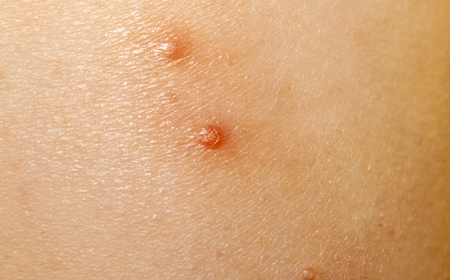
The FDA approved a pill to treat basal cell carcinoma, the most common form of skin cancer. The drug, called Erivedge, will be an option for adult patients with advanced cancer, who can't be treated with surgery or radiation, or whose cancer has spread.
According to the FDA -- which fast-tracked the process because there were no other approved treatments for the cancer -- Erivedge works by inhibiting the hedgehog pathway, a molecular route through cells that is active in basal-cell cancers.
The drug will be available within two weeks, but at a high price: A prescription course of daily Erivedge pills, produced by pharmaceutical giant Roche, is expected to cost about $7,500 per month.
If you needed Erivedge, could you afford it?
What's Your Reaction?
 Like
0
Like
0
 Dislike
0
Dislike
0
 Love
0
Love
0
 Funny
0
Funny
0
 Angry
0
Angry
0
 Sad
0
Sad
0
 Wow
0
Wow
0

Mike Gallagher
Mike Gallagher is a Georgia-based freelance journalist covering local news, community developments, and regional issues that matter most to residents across the state. Writing for Georgianewsday.com since 2016, Mike has built a reputation for clear, balanced reporting and a strong connection to the communities he serves. His work spans city council decisions, school board updates, small business features, public safety reports, and statewide policy changes. In addition to local coverage, Mike occasionally reports on state politics and national headlines, offering readers context on how broader decisions impact Georgia communities. Known for his steady, fact-driven approach, Mike prioritizes accuracy, fairness, and accessibility in every story. Whether covering a town hall meeting or breaking political developments, he aims to inform readers with clarity and integrity. Outside the newsroom, Mike remains actively engaged in Georgia’s civic landscape, always seeking the next story that shapes the state’s future.