





























Kimberly McCarthy to become the 500th inmate executed in Texas since 1982 on Wednesday

Kimberly McCarthy will become the 500th convicted killer in Texas to receive a lethal injection on Wednesday, barring a reprieve.
The number far outpaces the execution total in any other state. But it also reflects the reality of capital punishment in the United States today.
While some states have halted the practice in recent years because of conce about wrongful convictions, executions continue at a steady pace in many others.
The death penalty is on the books in 32 states. On average, Texas executes an inmate about every three weeks.


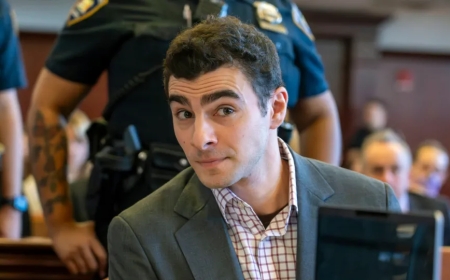
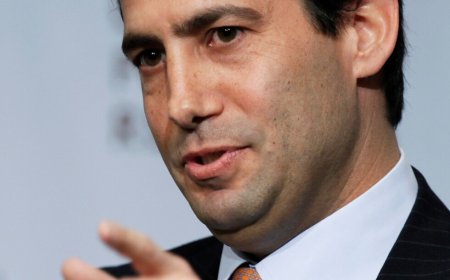
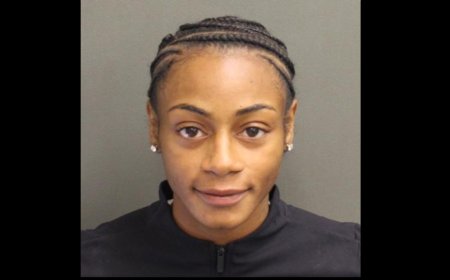
Five hundred to one: Kimberly McCarthy (left) is scheduled to be executed on June 26 and would be the 500th in Texas since the death penalty was reinstated. Charlie Brooks (right) was executed in 1982, the first in the state after the law changed in 1976
Jim Willett remembers the night of Dec. 6, 1982, when he was assigned to guard a mortuary van that had arrived at the death house at the Huntsville prison.
'I remember thinking: We're really going to do this. This is really going to happen,' says Willett, who was a captain for the Texas Department of Corrections.
When the van pulled away early the next moing, it carried to a nearby funeral home the body of convicted killer Charlie Brooks, who had just become the first Texas prisoner executed since a Supreme Court ruling six years earlier allowed the death penalty to resume in the United States.
What was unusual then has become rote. Still, even as McCarthy prepares to die at the Huntsville Unit, it's clear that Texas, too, has been affected by the debate over capital punishment.
In recent years, state lawmakers have provided more sentencing options for juries and courts have narrowed the cases in which the death penalty can be applied.

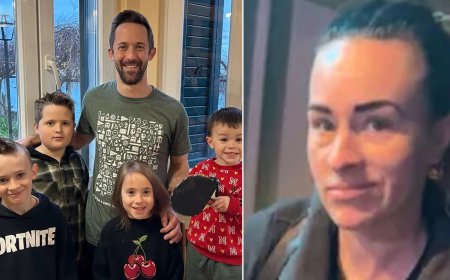
Brutal death: Dorothy Booth, a retired 71-year-old college psychology professor who was beaten, stabbed and robbed at her home in Lancaster, Texas
In guaranteeing DNA testing for inmates and providing for sentences of life without parole, Texas could well be on a slower track to execute its next 500 inmates.
'It's a very fragile system' as attitudes change, said Mark White, who was Texas attoey general when Brooks was executed and then presided over 19 executions as goveor from 1983 to 1987.
'There's a big difference between fair and harsh... I think you have (Texas) getting a reputation for being bloodthirsty, and that's not good.'
Texas has accounted for nearly 40 percent of the more than 1,300 executions carried out since murderer Gary Gilmore went before a Utah firing squad in 1977 and became the first U.S. inmate executed following the Supreme Court's clarification of death penalty laws.
What's Your Reaction?
 Like
0
Like
0
 Dislike
0
Dislike
0
 Love
0
Love
0
 Funny
0
Funny
0
 Angry
0
Angry
0
 Sad
0
Sad
0
 Wow
0
Wow
0